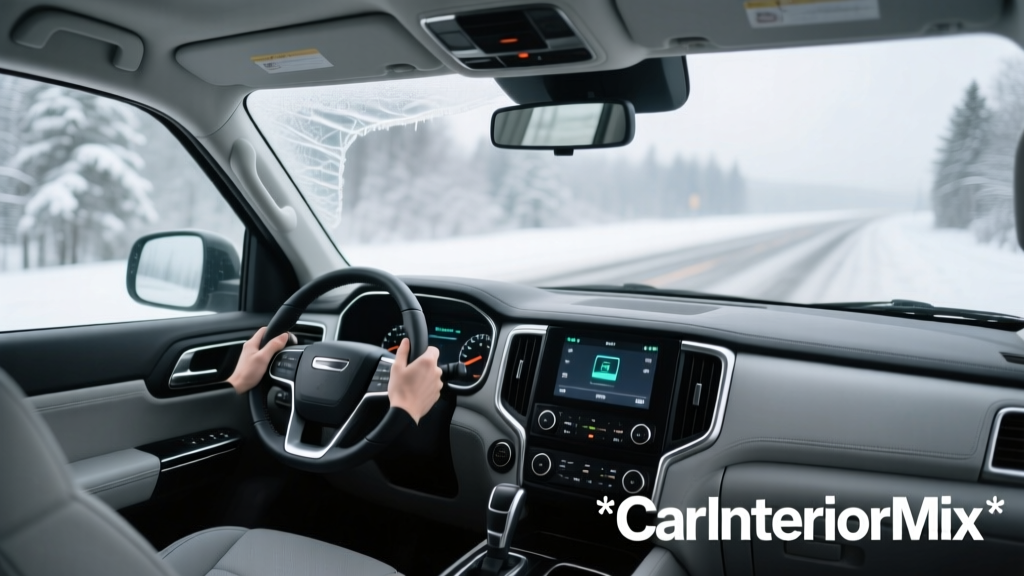
Commercial Vehicle Cold Weather Package (2026)
When temperatures drop, commercial vehicles don?t get to call in sick. Work vans, pickups, box trucks, and fleet SUVs still need to start on time, keep drivers comfortable, and protect cargo?whether they?re running a morning delivery route, heading to a job site, or idling at a loading dock. That?s exactly why a commercial vehicle cold weather package matters: it reduces winter downtime, improves safety, and helps your vehicle?s interior stay usable and comfortable through months of snow, slush, and salt.
Cold weather packages are often marketed as ?winter packages,? ?all-weather packages,? or ?cold climate packages,? and the contents vary by brand and vehicle class. Some focus on mechanical reliability (battery, alternator, engine heat), while others focus on driver comfort (heated seats, heated steering wheel, remote start). The best setup for a commercial vehicle typically blends both?because a warm driver in a truck that won?t start is still a no-go.
This guide breaks down what a cold weather package usually includes, what?s worth paying for, how to choose the right setup for your climate and use case, and how to avoid the common mistakes that lead to dead batteries, frozen doors, and miserable commutes.
What Is a Commercial Vehicle Cold Weather Package?
A commercial vehicle cold weather package is a bundle of factory-installed or dealer-installed features designed to improve:
- Cold starts (battery performance, engine warming, alternator output)
- Traction and visibility (heated mirrors, wiper de-icers, defrost performance)
- Cab comfort (heated seats, heated steering wheel, remote start)
- Durability (winter floor protection, corrosion resistance add-ons, robust wiring)
For fleets, these packages can be a practical investment because they cut down on late starts, tow calls, and driver fatigue. For owner-operators, they often pay off in daily comfort and fewer winter headaches.
Core Features You?ll See in Cold Weather Packages
1) Engine Block Heater (and Why It?s a Big Deal)
An engine block heater warms the engine coolant (or oil, depending on design) before startup. This reduces engine wear and helps the vehicle fire up faster in sub-freezing conditions. It can also improve cabin heat availability sooner.
- Best for: Overnight parking outdoors, northern climates, diesel engines
- Look for: A factory or dealer-installed heater with a properly routed plug and weatherproof cover
- Real-world example: A plumbing van parked outside in Minnesota starts noticeably faster at -10�F with a block heater plugged in for 2?3 hours before the first run.
2) Heavy-Duty Battery and Alternator
Cold weather thickens fluids and increases electrical demand (blower motor, defrosters, heated seats, lights, accessories). A higher-capacity battery and upgraded alternator help keep voltage stable?especially for vehicles that idle frequently or run in stop-and-go delivery cycles.
- Battery tip: Check CCA (Cold Cranking Amps). Higher CCA = better cold-start performance.
- Alternator tip: If you run inverters, extra lighting, or a dash cam system 24/7, the alternator upgrade can prevent slow battery drain.
3) Heated Seats and Heated Steering Wheel
These are comfort features that also improve safety by reducing driver distraction. Heated seats warm up faster than waiting for engine heat, which matters on short trips.
- Best for: Delivery drivers making frequent stops, drivers in thin workwear, early morning starts
- Interior bonus: Heated seats can reduce the temptation to crank the heater full blast, which helps windows stay clearer and reduces dry-air fatigue.
4) Remote Start (Factory vs. Aftermarket)
Remote start lets you warm the cabin and defrost windows before driving. Factory remote start generally integrates better with security and vehicle electronics. Aftermarket can be excellent, but quality and installation matter.
- Factory remote start: Cleaner integration, fewer warranty questions
- Aftermarket remote start: More range options, smartphone control options, can be added later
5) Heated Mirrors, Wiper De-Icer, and Defrost Upgrades
Visibility is a winter safety issue, especially for commercial vehicles with larger blind spots.
- Heated side mirrors reduce ice buildup and improve lane-change confidence
- Wiper de-icer warms the lower windshield area to keep blades from freezing
- Upgraded HVAC/defroster performance helps clear fog and ice faster
6) Winter-Focused Interior Protection (Underrated but Essential)
Commercial cabins take a beating from wet boots, road salt, and slush. Many ?cold weather? bundles don?t automatically include interior protection, but you should treat it as part of your winter package strategy.
- All-weather floor liners with tall sidewalls to trap slush
- Rubber cargo mats for vans/SUVs hauling wet gear
- Seat covers to protect from wet outerwear and grime
- Real-world example: A parcel delivery driver can dump a surprising amount of melted snow into the footwell in a single shift?liners prevent soggy carpet, odor, and corrosion around seat mounts.
How to Choose the Right Cold Weather Package for Your Use
Step 1: Match the Package to Your Climate
- Mild winter (25?40�F, occasional snow): heated seats, heated mirrors, all-weather mats, quality washer fluid
- Cold winter (0?25�F, regular snow): add block heater, higher CCA battery, remote start, wiper de-icer
- Severe winter (below 0�F, long cold soaks): prioritize block heater, battery/alternator upgrades, possibly auxiliary cabin heat (diesel), plus full interior protection
Step 2: Identify Your Duty Cycle
- Short-trip urban routes: heated seats and steering wheel pay off fast; battery health is critical
- Long highway runs: defrost performance and mirror heat matter most; consider comfort fatigue reducers
- Idling at job sites: alternator output and electrical load management become priorities
Step 3: Think Interior First if Drivers Rotate
If multiple people share the same vehicle, durability and cleanability become the real ?cold weather package.? Focus on:
- All-weather floor liners (front and rear)
- Heavy-duty seat covers with water resistance
- Easy-to-clean steering wheel cover (if safe and properly fitted)
- Cab organizers to keep gloves, scrapers, and cords from getting lost
Step-by-Step: Winter-Readiness Checklist for Commercial Vehicles
1) Verify What Your Vehicle Already Has
- Check the window sticker/build sheet for ?cold weather,? ?winter,? or ?all-weather? package details.
- Look for a block heater cord near the grille or bumper area (often capped).
- Test heated seats, heated steering wheel, and mirror heat.
- Confirm remote start functionality and range.
2) Prep the Electrical System
- Have the battery load-tested (especially if it?s over 3 years old).
- Clean battery terminals and check for corrosion.
- Confirm the alternator is charging properly under load (lights + blower + rear defrost on).
- If you use add-on electronics, consider a dedicated power distribution module or professional wiring inspection.
3) Upgrade Interior Protection for Snow and Salt
- Install vehicle-specific all-weather floor liners with high edges.
- Add a cargo liner or rubber mat for vans/SUVs carrying wet tools.
- Use water-resistant seat covers if drivers wear wet outerwear or work clothes.
- Keep a microfiber towel in the door pocket for quick wipe-downs.
4) Stock the Cab with Winter Essentials
- Ice scraper + brush (a sturdy, long-handled one for vans and trucks)
- Windshield washer fluid rated for sub-freezing temps
- Spare gloves, knit cap, hand warmers
- Small bag of sand/traction aid (especially for RWD vans)
- Phone charging cable + backup power bank
Product Recommendations and Smart Comparisons
All-Weather Floor Liners: Vehicle-Specific vs. Universal
- Vehicle-specific liners (best choice): tighter fit, better edge coverage, less slush leakage
- Universal mats: cheaper, but they slide, curl, and often let salty water reach carpet
Buying tip: Choose liners with deep channels and tall sidewalls?especially for commercial boots and heavy snow regions.
Seat Covers: Neoprene vs. Canvas vs. Vinyl
- Neoprene: warm feel, water resistance, good for comfort-focused daily driving
- Canvas: rugged, abrasion-resistant, great for tools and jobsite wear
- Vinyl: easiest to wipe clean, ideal for muddy/salty environments (can feel colder initially)
Remote Start: Factory-Style Integration vs. Long-Range Aftermarket
- Factory-style: best for reliability and OEM-like operation
- Aftermarket long-range: ideal for large parking lots, job sites, or multi-story buildings (choose reputable installers)
Common Mistakes to Avoid
- Assuming ?cold weather package? includes everything: Many bundles skip floor protection and seat protection?two of the biggest interior savers in winter.
- Running the heater to ?fix? foggy windows: If the cabin is damp, use A/C with defrost (even in winter) to dehumidify faster.
- Ignoring battery age: A marginal battery can seem fine until the first real cold snap. Load test before winter.
- Using cheap universal mats: Slush spills over the edges, soaks carpet, and creates persistent odors and corrosion risk.
- Remote-starting in an enclosed space: Never warm up a vehicle in a closed garage or near blocked exhaust outlets.
- Letting salt sit inside the cabin: Salt residue on floor liners and door sills accelerates corrosion and leaves white stains. Rinse liners regularly.
Practical Tips for Keeping the Cabin Warm, Dry, and Durable
- Shake off snow before getting in: Sounds basic, but it dramatically reduces interior moisture.
- Use a ?wet gear bin?: A small plastic tote in the cargo area prevents puddles from spreading.
- Dry mats weekly: Pull liners, dump water, rinse, and let them dry?especially during heavy snow weeks.
- Protect high-touch points: Steering wheel, shifter, armrests, and door pulls get extra grime in winter work gloves.
- Keep a spare key fob battery: Cold can weaken small batteries faster than expected.
FAQ: Commercial Vehicle Cold Weather Packages
Does a cold weather package help a vehicle start better in winter?
Yes?if it includes mechanical and electrical upgrades like a block heater, higher CCA battery, and sometimes a higher-output alternator. Heated seats alone won?t help cold starts, but they do improve comfort quickly after startup.
Is a block heater worth it if I park outside?
If your winter regularly dips below 20�F (and especially below 0�F), a block heater is one of the most useful cold climate upgrades. It reduces start-up strain and helps you get cabin heat sooner.
What interior upgrades matter most for commercial use in winter?
All-weather floor liners, durable seat covers, and a cargo liner (for vans/SUVs) are the big three. They protect against melted snow, salt, and mud that quickly ruin carpet and fabric seats.
Factory vs. aftermarket remote start: which should I choose?
Factory remote start is usually the simplest and most seamless. Aftermarket can be excellent if you need longer range or smartphone control?just use a reputable brand and a professional installer familiar with your vehicle?s security system.
Will heated seats drain the battery?
While the engine is running, the alternator supplies power. The bigger concern is using lots of electrical accessories with the engine off, or short-trip driving that doesn?t recharge the battery fully. If your duty cycle is short trips, prioritize battery health and consider an alternator upgrade if loads are high.
Next Steps: Build Your Winter-Ready Setup
Start by checking what your commercial vehicle already has, then fill the gaps based on your climate and work routine. For many owners, the best ?cold weather package? is a combination of block heater + strong battery/charging system + visibility upgrades, paired with serious interior protection like high-wall floor liners and durable seat covers. That mix keeps the truck starting, the driver comfortable, and the cabin easy to clean all season.
If you want to go further, create a simple winter kit for every vehicle (scraper, washer fluid, gloves, towel) and set a weekly habit of rinsing liners and wiping down salty door sills. Small routines prevent big interior wear.
Want more practical interior-focused vehicle guides? Browse the latest how-tos and protection tips at carinteriormix.com.